Low energy smart building technology and intelligent efficiency
Low Energy Technologies

Intelligent Efficiency Reducing the Energy Burden

Creating high-performance buildings where technology works together to reduce demand, protect occupant wellbeing and remove unnecessary carbon from everyday operation.

Energy Demand Intelligent Control
LESS

Demand Before Generation

The cleanest unit of energy is the one the building never needs to consume.

Explore efficiency
The Energy Puzzle

Reducing demand is the most important step.

The energy puzzle is often framed in three parts: where does the power come from, who needs it, and how do we reduce the demand?

At Nexus Green Tech, we believe the most important step in achieving net zero is not simply generating more power. It is systemically reducing the need for it.

A building should not just be described as efficient. It should be a high-performance environment where energy, heating, ventilation, water and controls work together to reduce consumption, preserve occupant health and eliminate avoidable carbon.

Efficiency is not about doing less. It is about making every system work smarter.
The Nexus Efficiency Hierarchy

A disciplined route to lower energy demand.

We apply a fabric-first approach to every project, reducing demand through a structured review of the full building lifecycle.
Nexus efficiency hierarchy showing intelligent energy reduction across the building
Fabric First · Intelligent Control · Targeted Comfort

Reduce first. Optimise second. Generate only what is needed.
Hierarchy Principle Demand reduction before energy expansion
01
Grid Interface

Optimising the Intake

We begin at the building’s interface with the grid, ensuring energy entry is measured, managed and optimised against real-time demand.

02
Building Performance

Fabric & Infrastructure

Airtightness, thermal performance, high-efficiency water and ventilation systems form the foundation. By getting the basics right, the load on mechanical systems is significantly reduced.

03
Targeted Comfort

Decentralised Climate Control

Low-surface-heat infrared systems and decentralised ventilation provide targeted comfort, reducing the waste associated with heating or cooling entire volumes of air.

04
Everyday Technology

Sustainable Consumer Tech

We support a more intelligent approach to appliances and daily technology, prioritising products that deliver long-term value while avoiding unnecessary manufacturing and replacement costs.

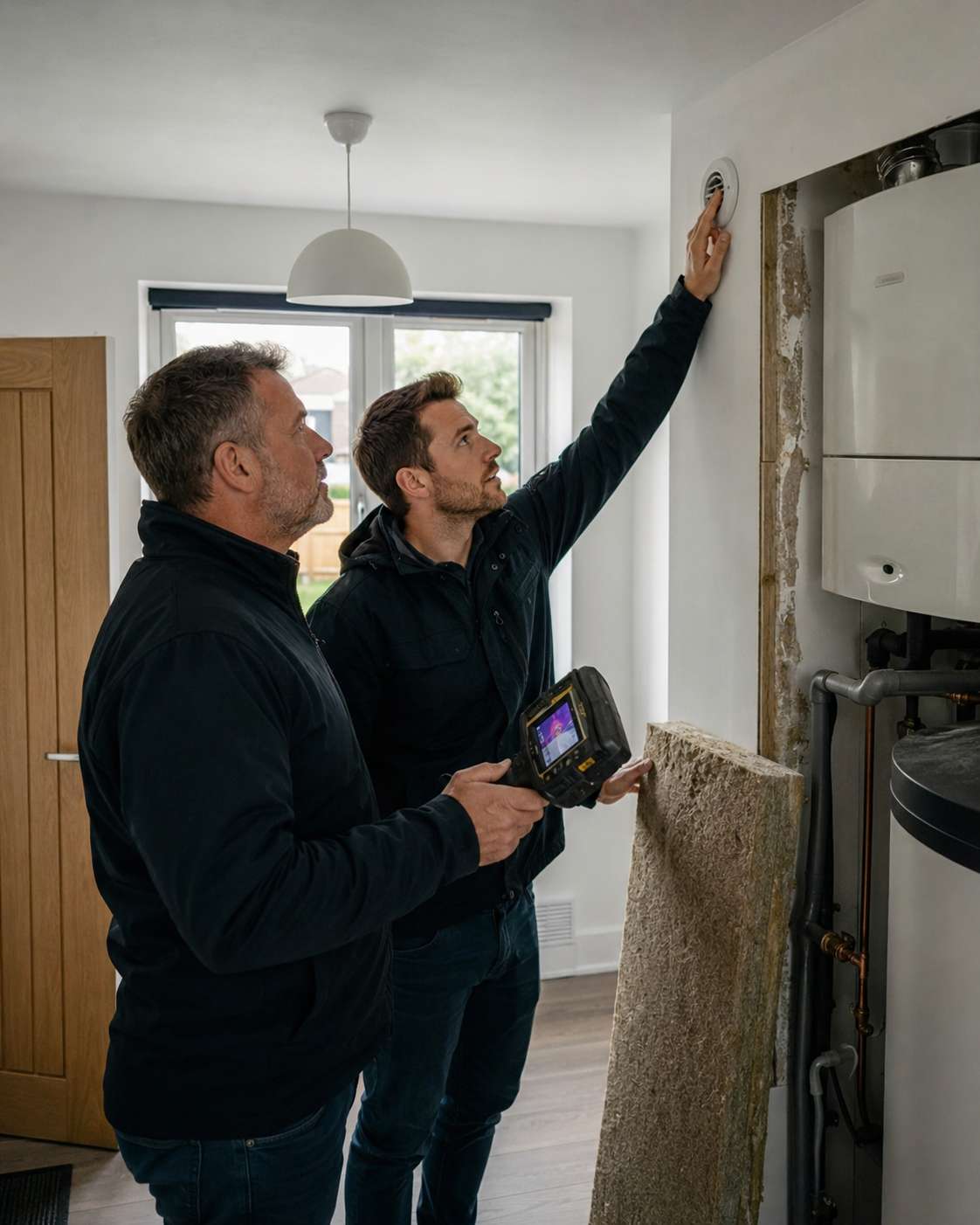
High performance building fabric insulation ventilation and energy systems
Foundation First Better fabric means lower system demand
Fabric-First Thinking

Efficiency begins with the building itself.

Before adding more technology, we assess the structure, thermal behaviour and infrastructure already in place.

01

Airtightness

Reducing uncontrolled heat loss and improving the stability of the indoor environment.

02

Thermal Performance

Improving insulation and heat retention to reduce the demand placed on heating and cooling systems.

03

Water Efficiency

Reducing unnecessary energy and water consumption through intelligent hot water and recovery systems.

04

Ventilation Efficiency

Maintaining fresh, healthy indoor air without wasting the energy already used to condition the space.

Decentralised Climate Control

Comfort where it is needed, not where it is wasted.

Traditional centralised systems often heat or cool entire areas regardless of occupancy. Nexus technologies respond more precisely to real demand.
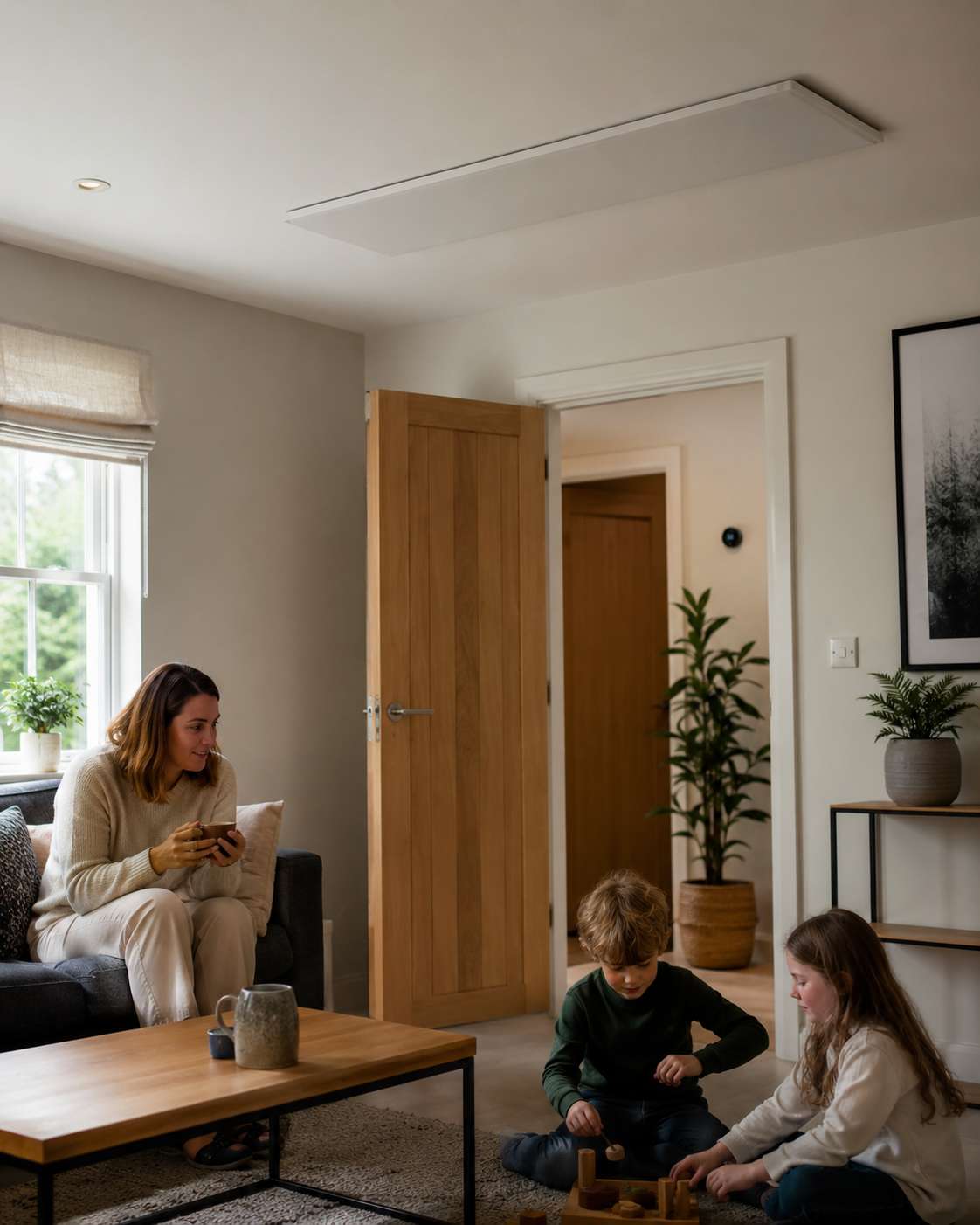
Low surface heat infrared heating technology
01
Targeted Heating

Low-Surface-Heat Infrared

Quiet, discreet heating that delivers comfort directly to the people and surfaces within the space.

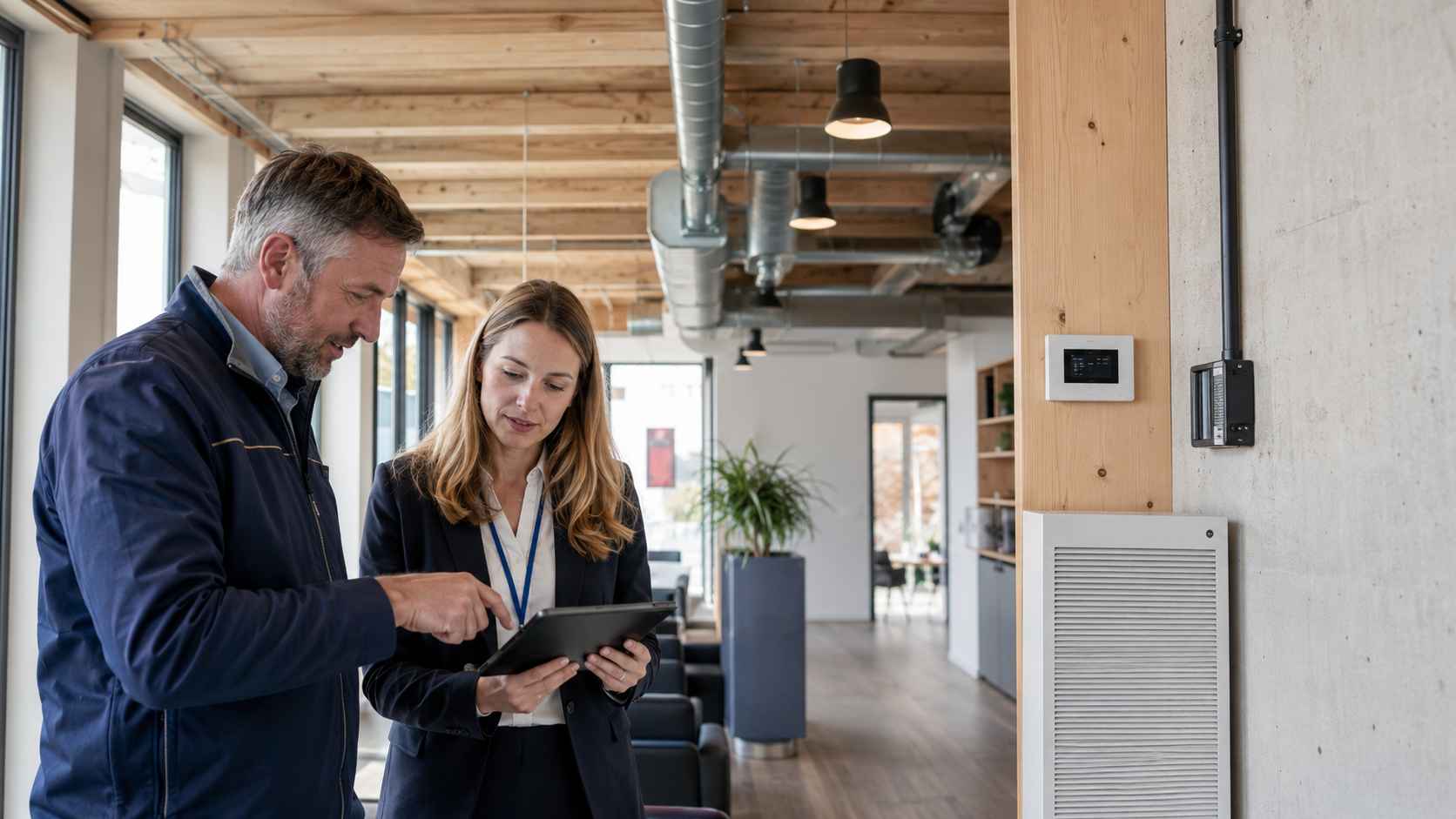
Decentralised ventilation unit in a modern building
02
Targeted Airflow

Decentralised Ventilation

Localised air management improves indoor air quality while reducing the energy and ductwork associated with centralised systems.

Integrated low energy technologies working together in a smart building
A Cohesive Approach

Efficiency without compromising comfort.

Efficiency is often misunderstood as a cost or a trade-off, where comfort must be sacrificed to reduce energy bills. At Nexus, we reject that compromise.

By integrating energy intake, building fabric, climate control, ventilation, water and consumer technology into one connected ecosystem, we preserve comfort while keeping demand to an absolute minimum.

One Ecosystem
01

Integrated building strategy

02

Lower operational demand

03

Better occupant comfort

Start Your Transition

Ready to decarbonise your building infrastructure?

Explore our integrated solutions or speak with a technical consultant about reducing demand across your property, development or building portfolio.